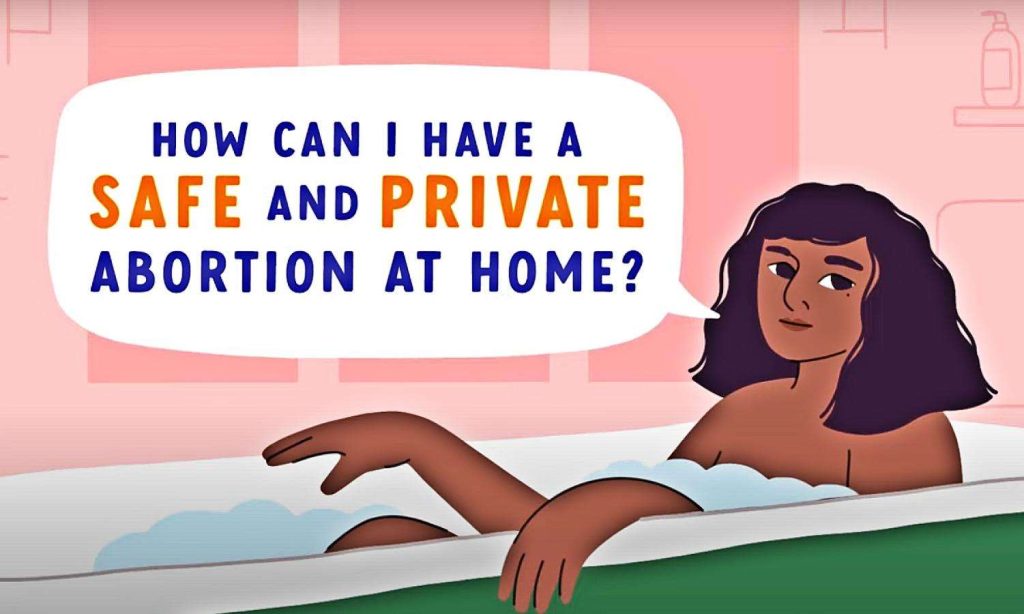
Clear answers about abortion pills, safety, recovery and UAE law
Understand how medication and procedural abortion differ, what symptoms may be expected, which warning signs need urgent care and why UAE legal eligibility requires an authorised assessment.
Most people searching for information about abortion pills in UAE need four clear answers: what the medicines do, which symptoms are expected and when medical help is urgent. In the UAE, there is another essential question: whether care is permitted under the country’s legal process.
Abortion ends a pregnancy through medicine or a clinical procedure. The right method depends on how long the pregnancy has continued, where it is located, the person’s health, the care available and local law. When an evidence-based method is used correctly, abortion is generally very safe. The World Health Organization abortion fact sheet explains that safety depends on using a recommended method that is appropriate for the pregnancy duration and supported by someone with the required skills.
Problems become more likely when a person receives counterfeit medicine, does not know the duration or location of the pregnancy, follows instructions from an unverified seller or delays emergency care. This guide explains the main methods, expected symptoms, warning signs, follow-up, fertility and the current UAE legal framework. It provides general information, not a personal prescription or a legal decision about an individual case.
Get emergency medical help now for fainting, severe or one-sided abdominal pain, shoulder-tip pain, difficulty breathing, confusion, dangerously heavy bleeding or a rapidly worsening illness. These symptoms can occur with serious complications, including an ectopic pregnancy. Do not wait for an online seller or website to respond.
Abortion Explained in Plain Language
An induced abortion is the intentional ending of a pregnancy. It is different from a miscarriage, which is a pregnancy that ends without an intentional medical intervention. Healthcare professionals may use the term “spontaneous abortion” for miscarriage, but the two experiences should not be confused in information written for the public.
There are two main ways to end a pregnancy: medical or medication abortion, and procedural abortion. People sometimes call the second option “surgical abortion,” although early procedures commonly use suction and do not always resemble traditional surgery.
| Method | What happens | Usual setting | What affects suitability |
|---|---|---|---|
| Medication abortion | Prescription medicines cause the pregnancy to stop developing and the uterus to empty | A healthcare facility, or partly at home where medical guidance and local law allow it | Pregnancy duration and location, health history, medicine quality, follow-up and emergency access |
| Procedural abortion | A trained clinician empties the uterus using suction and, when needed, specialised instruments | An authorised clinic or hospital | Pregnancy duration, examination findings, patient preference, clinical needs and local law |
Neither option is automatically best for everyone. A qualified clinician should explain which choices are medically suitable and legally available.
How Abortion Pills Work
Medication abortion usually involves two different prescription medicines.
Mifepristone blocks progesterone, a hormone needed for a pregnancy to continue. Misoprostol causes the uterus to contract and empty. Bleeding and cramping occur because the uterus is passing the pregnancy.
Misoprostol may sometimes be used without mifepristone under a recognised medical protocol. However, the combination of mifepristone and misoprostol is generally more effective in early pregnancy. The exact regimen depends on pregnancy duration, medical circumstances and the clinical guidance being followed. A general website should not turn this information into a one-size-fits-all prescription.
Several names used online can cause confusion:
- RU-486 is an older name for mifepristone. It is not a separate third medicine.
- Cytotec is one brand containing misoprostol. It does not contain mifepristone.
- The morning-after pill is emergency contraception. It helps prevent pregnancy and does not end an established pregnancy.
- Medicines such as methotrexate, oxytocin, carboprost and gemeprost have different medical uses. They should not be described as interchangeable abortion pills.
The latest evidence and recommendations are set out in the WHO Abortion Care Guideline, second edition, published in 2025.
How Effective Is Medication Abortion?
Mifepristone followed by misoprostol is highly effective in early pregnancy. Evidence commonly places success above 95%, but the exact result changes with pregnancy duration, the regimen used, adherence and the way completion is confirmed. No medicine works in every case.
Possible outcomes include:
- a complete abortion without further treatment;
- an incomplete abortion, with some pregnancy tissue remaining;
- an ongoing pregnancy;
- prolonged bleeding; or
- the need for additional medicine or a procedure.
A promise of a “100% guaranteed,” “completely painless” or “risk-free” abortion is not medically credible. Those phrases should make a reader question the seller, product and service.
Two Checks That Matter Before Treatment
Pregnancy duration
Pregnancy weeks are normally counted from the first day of the last menstrual period, not from the date of intercourse. This estimate can be uncertain when periods are irregular, the date is not remembered, hormonal contraception was recently used or symptoms do not match the expected dates.
A home pregnancy test shows that pregnancy hormone is present. It does not show how many weeks the pregnancy has continued or where it is located. A clinician may recommend an ultrasound or blood testing when the dates are uncertain, symptoms are concerning or the result would change treatment.
Pregnancy location
An ectopic pregnancy develops outside the main cavity of the uterus, most often in a fallopian tube. It can rupture and cause life-threatening internal bleeding. Mifepristone and misoprostol do not treat an ectopic pregnancy.
Urgent assessment is needed for severe pain on one side, shoulder-tip pain, fainting, marked weakness or unusual bleeding with increasing pain. A previous ectopic pregnancy, fallopian-tube surgery and certain other medical factors can also increase concern. The NHS ectopic pregnancy guide provides further information about symptoms and treatment.
An ultrasound is not required before every early medication abortion in every healthcare system. It becomes important when dates are unclear, symptoms or risk factors suggest an ectopic pregnancy, or local clinical and legal rules require imaging.
When Individual Medical Assessment Is Especially Important
Abortion pills are not suitable for every person or situation. A clinician needs to review the full medical history when someone:
- may have an ectopic pregnancy;
- does not know the pregnancy duration;
- has severe anaemia or a bleeding disorder;
- uses anticoagulant medicine;
- has chronic adrenal failure;
- uses long-term systemic corticosteroids;
- has a known allergy to either medicine;
- currently has an intrauterine device;
- has a serious uncontrolled illness; or
- cannot reach emergency care if it becomes necessary.
This is not a complete contraindication list. A prescription written for one person should never be shared with another, even when their pregnancy dates appear similar.
What to Expect: Bleeding, Cramping and Other Side Effects
Experiences differ, but cramping and vaginal bleeding are expected. These are the most common abortion pill effects. Bleeding is often heavier than a normal period during the active part of the process and may include clots. The strongest cramps and heaviest bleeding commonly occur after misoprostol, then reduce as the uterus empties.
Other short-term effects may include nausea, vomiting, diarrhoea, tiredness, dizziness, headache, chills or a temporary feverish feeling. Some people have strong symptoms; others have a less intense experience. The amount of pain or bleeding cannot be predicted from someone else’s story.
After the main process, lighter bleeding or spotting may continue for days or sometimes several weeks. The NHS abortion recovery guidance notes that cramps may last for a few days and bleeding can continue for several weeks.
A treating provider should explain three things before care begins: what is expected, what can be used for pain when medically suitable and exactly how to obtain urgent help.
Normal Effects and Warning Signs Are Not the Same
| Usually expected | Needs urgent medical assessment |
|---|---|
| Cramping that improves over time | Severe or worsening pain, especially on one side |
| Bleeding and passing clots during the active process | Soaking more than two full-size sanitary pads per hour for two consecutive hours, or heavy bleeding with faintness or breathlessness |
| Temporary nausea, diarrhoea, chills or tiredness | Persistent fever, confusion, foul-smelling discharge or feeling increasingly unwell |
| Lighter bleeding or spotting after the heaviest stage | Fainting, shoulder-tip pain or difficulty breathing |
| Pregnancy symptoms that gradually reduce | Continuing pregnancy symptoms, little or no bleeding when bleeding was expected, or concern that the pregnancy is continuing |
The heavy-bleeding threshold above is also used in the American College of Obstetricians and Gynecologists clinical guidance. Individual services may provide different instructions based on a person’s medical condition. Follow the emergency plan supplied by the treating provider.
When symptoms are severe, emergency care should not be delayed because of embarrassment, privacy worries or fear of judgment.
How Completion Is Confirmed
Bleeding, cramping and passing clots suggest that the medicine is working, but symptoms alone do not always confirm that the pregnancy has ended. Follow-up may include:
- a review of symptoms by a healthcare professional;
- a pregnancy test at the time advised by the provider;
- blood tests that measure changes in pregnancy hormone; or
- an ultrasound when it is clinically needed.
A standard home pregnancy test can remain positive for a while because pregnancy hormone does not disappear immediately. Testing too early can therefore create unnecessary worry or miss the need for the correct follow-up. Use the type of test and timing recommended by the treating service.
Seek professional assessment if pregnancy symptoms continue, there was little or no bleeding, pain is increasing or the advised follow-up test remains positive.
When the Abortion Is Incomplete or the Pregnancy Continues
An incomplete abortion means that some pregnancy tissue remains in the uterus. It may cause prolonged bleeding, continuing pain or infection, although some people have few clear symptoms. An ongoing pregnancy means that the pregnancy has continued after the medicine.
Either outcome may require observation, additional medicine or a clinical procedure. It cannot be diagnosed safely through a product photograph, a WhatsApp conversation or a description of bleeding alone.
Taking extra tablets without assessment can delay the diagnosis of an ectopic or ongoing pregnancy. Contact an authorised healthcare provider instead.
Procedural or “Surgical” Abortion
Procedural abortion is performed by a trained clinician in an appropriate healthcare facility. The method depends mainly on pregnancy duration and clinical findings.
Vacuum aspiration uses suction to empty the uterus and is commonly used in early pregnancy. Dilation and evacuation, usually shortened to D&E, combines suction with specialised instruments and may be used later in pregnancy by a properly trained specialist. In some later-pregnancy medical situations, medicines may be used in a hospital to induce uterine contractions.
Dilation and curettage, or D&C, is a familiar phrase, but sharp curettage should not be presented as the default modern abortion method. The provider should explain the recommended technique, pain relief or anaesthesia, expected recovery, alternatives and possible complications.
Abortion Safety and Possible Complications
Abortion is generally very safe when the method is evidence-based, suitable for the pregnancy duration and supported by qualified care. The risk of complications increases as pregnancy advances and when care is delayed or unsafe.
Possible complications include heavy or prolonged bleeding, infection, retained pregnancy tissue, an ongoing pregnancy, a reaction to medication and, during a procedure, uncommon injury to the cervix or uterus. The NHS overview of abortion risks explains that serious problems are uncommon but can include heavy bleeding, infection and tissue remaining in the uterus.
Risk is higher when:
- the medicine is counterfeit, expired or badly stored;
- the pregnancy duration or location is unknown;
- unsafe herbal, chemical or physical methods are used;
- an unverified seller replaces proper assessment;
- there is no follow-up or emergency plan; or
- severe symptoms are ignored.
Recovery, Periods and Future Fertility
Most people can gradually return to normal activity as they feel able, but recovery is individual. Cramping usually improves, and bleeding should become lighter rather than steadily worse. A provider may give instructions about bathing, sexual activity, sanitary products, work, exercise and pain relief based on the type of abortion and the person’s health.
An uncomplicated medication or procedural abortion does not usually reduce future fertility. The chance of becoming pregnant returns to its previous level, and ovulation can occur before the next menstrual period. The Mayo Clinic review of abortion and future pregnancy states that elective abortion most often does not cause fertility problems.
Periods commonly return within several weeks, although timing varies. Anyone who does not want another pregnancy immediately should ask when contraception can be started. Untreated infection or another serious complication can affect health, which is why worsening symptoms need prompt attention.
Emotional Wellbeing After an Abortion
There is no single “correct” emotional response. A person may feel relief, sadness, grief, stress or several emotions at the same time. Feelings can be shaped by whether the pregnancy was wanted, pressure from another person, stigma, religious beliefs, relationship circumstances, previous mental-health concerns and the support available.
An abortion that a person chooses is not, by itself, evidence of a mental-health disorder. At the same time, persistent distress should never be dismissed. Anyone experiencing hopelessness, panic, thoughts of self-harm or difficulty managing daily life should receive compassionate professional support. The American Psychological Association overview discusses the evidence on abortion and mental health.
No one should be forced to continue or end a pregnancy. Confidential, non-judgmental counselling can help a person understand their options without coercion.
Abortion Law in the UAE
Abortion in the UAE is regulated. It is not available on request in the same way as it is in some other countries. Cabinet Resolution No. 44 of 2024 defines additional permitted cases and the process that authorised abortion care must follow. It operates alongside the relevant federal medical-liability legislation.
The legal framework covers serious risk to the pregnant woman’s life, serious fetal conditions and other cases defined in the resolution. The additional cases include pregnancy resulting from intercourse without valid consent, pregnancy caused by an ancestor or a relative with whom marriage is permanently prohibited, and a request by the spouses after approval by the authorised committee.
Approval is not automatic. Depending on the case, the process may require official documents, medical reports, written consent, committee review and treatment in an authorised healthcare facility by an obstetrician-gynaecologist.
The official resolution states that the pregnancy period at the time of the abortion must not exceed 120 days for the cases it regulates. It also contains specific requirements for non-citizen residents and exceptions relating to emergencies. Read the current text on the official UAE legislation portal.
Marital status alone does not provide a complete legal answer. Being unmarried, married, a resident, a visitor or a citizen does not allow a website or medicine seller to decide whether a particular case qualifies. An authorised UAE healthcare facility or a qualified UAE legal professional should review the individual facts.
The same caution applies to minors. Consent, guardian involvement, safeguarding and emergency rules depend on the circumstances and current law. Suspected abuse, exploitation or coercion requires appropriate professional safeguarding support.
Are Home Abortion and Self-Managed Abortion the Same Thing?
Self-managed abortion means that some or all of the process takes place outside a clinic. WHO recognises self-management in early pregnancy as an evidence-based option when a person has accurate information, quality-assured medicines, appropriate support and access to healthcare if needed.
That medical guidance does not decide what is legal in the UAE. UAE law regulates abortion through defined legal and healthcare procedures. A website cannot confirm pregnancy location, medicine quality, personal suitability or legal eligibility.
Anyone who has already taken pregnancy-related medicine and develops severe symptoms should seek urgent care. Accurate information about the product, time taken and symptoms helps clinicians assess the situation. Bring the packaging if it is safe and practical to do so.
Buying Abortion Pills Online or in a Dubai Pharmacy
Searches such as “abortion pills in UAE,” “Cytotec in Dubai pharmacy,” “misoprostol in UAE” and “buy abortion pills online” often lead to sellers who cannot be independently verified. A website, product photograph, price or WhatsApp number does not prove that medicine is genuine, legally supplied, properly stored or suitable for the buyer.
Before trusting any provider or product:
- verify the clinician, pharmacy and facility through the relevant UAE health authority;
- confirm the full physical address and professional affiliation independently;
- ask for the clinician’s full name and licence number;
- use a licensed pharmacy and a valid prescription where required;
- check the generic medicine, manufacturer, batch number, expiry date and storage conditions;
- request a valid receipt and written follow-up instructions;
- ask which authorised facility will provide emergency care; and
- avoid sellers who promise secrecy but refuse to provide verifiable credentials.
Do not rely on claims such as “government approved,” “doctor approved,” “FDA approved,” “100% safe” or “guaranteed” unless the exact medicine, provider and approval can be verified through an official source. No approval makes a medicine suitable for every person.
Abortion Pill Prices in the UAE
There is no single reliable online price for abortion care or abortion pills in Dubai and the wider UAE. The total cost can include a consultation, pregnancy testing, ultrasound or laboratory tests when needed, an authorised facility, a clinical procedure, anaesthesia and follow-up.
A very low price can be used to attract buyers to counterfeit or incomplete care. A high price does not prove that the medicine or seller is genuine. Ask an authorised provider for an itemised estimate and a valid receipt rather than judging safety by price.
Common Questions About Abortion Pills
How should abortion pills be taken?
The correct regimen depends on pregnancy duration, medical history, the medicines supplied and the clinical guideline being used. Follow instructions from a qualified provider who can also arrange follow-up and emergency care. Do not use a dosage copied from a seller, social-media post or another person’s prescription.
Can abortion pills be used at any stage of pregnancy?
No. The recommended medicines, doses, setting and level of clinical support change as pregnancy advances. Later-pregnancy care generally requires specialist assessment and may need a hospital or authorised facility. Local law also sets limits and conditions.
Are abortion pills the same as the morning-after pill?
No. Emergency contraception helps prevent a pregnancy after unprotected sex. Mifepristone and misoprostol are used to end an established pregnancy. The ACOG explanation of abortion pills and morning-after pills explains the difference.
Can a pregnancy test detect an ectopic pregnancy?
No. A pregnancy test detects pregnancy hormone but cannot show where the pregnancy is located. Pain, fainting, shoulder-tip pain or other concerning symptoms require clinical assessment.
Is an ultrasound always required before abortion pills?
Not in every early-pregnancy case or healthcare system. It may be needed when dates are uncertain, symptoms or history suggest ectopic pregnancy, or the result would change treatment. Local law or facility rules may also require it.
How painful is a medication abortion?
Pain varies. Cramping can be stronger than menstrual cramps and is often most intense while the uterus is emptying. A provider should explain safe pain-relief options for the individual rather than assuming the same medicine is suitable for everyone.
How long does bleeding last after abortion pills?
The heaviest bleeding usually occurs during the active process and then reduces. Lighter bleeding or spotting may continue for days or several weeks. Bleeding that becomes heavier, is accompanied by faintness or severe pain, or does not improve needs medical assessment.
What if there is no bleeding after misoprostol?
Contact the treating provider. Little or no bleeding can mean the process has not started or the pregnancy is continuing. Pregnancy location may also need assessment. Severe pain with little bleeding can be especially concerning.
How do I know whether the abortion pills worked?
Symptoms can suggest that the process occurred, but confirmation may require a follow-up test, symptom review, blood test or ultrasound. Follow the timing and method given by the provider.
Can abortion pills cause infertility?
An uncomplicated medication abortion does not usually cause infertility. Fertility may return quickly. Untreated infection or another serious complication needs prompt care.
Can abortion pills be used for an ectopic pregnancy?
No. Mifepristone and misoprostol do not treat an ectopic pregnancy. An ectopic pregnancy requires urgent diagnosis and specific medical or surgical treatment.
Is abortion completely illegal in Dubai or the UAE?
No, but it is tightly regulated. UAE law defines limited permitted cases, conditions and approval procedures. An authorised facility or qualified UAE legal professional must assess an individual case.
Is abortion at home automatically legal in the UAE?
No. Medical evidence about self-management does not replace UAE legal requirements. A person’s legal position and medical suitability need separate professional assessment.
When should someone go to an emergency department?
Go immediately for fainting, severe or one-sided abdominal pain, shoulder-tip pain, breathing difficulty, confusion, dangerously heavy bleeding, persistent fever, foul-smelling discharge or rapidly worsening illness.
The Most Important Points to Remember
Abortion pills usually involve mifepristone and misoprostol. They are not the same as emergency contraception, and they do not treat ectopic pregnancy. Cramping and bleeding are expected, but severe pain, fainting, breathing difficulty and dangerously heavy bleeding require urgent care.
Medication and procedural abortion are generally safe when the method is appropriate, the medicine is genuine and qualified care is available. Follow-up matters because symptoms alone do not always prove that a pregnancy has ended.
In the UAE, abortion is permitted only within a regulated legal and clinical framework. An anonymous seller cannot decide whether a person qualifies, replace a licensed healthcare provider or guarantee a risk-free result.
Medical and Legal Sources
- World Health Organization: Abortion fact sheet
- World Health Organization: Abortion Care Guideline, second edition, 2025
- American College of Obstetricians and Gynecologists: Medication Abortion Up to 70 Days
- American College of Obstetricians and Gynecologists: Induced Abortion
- NHS: Recovery After an Abortion
- NHS: Risks of Abortion
- NHS: Ectopic Pregnancy
- UAE Cabinet Resolution No. 44 of 2024
- Mayo Clinic: Abortion and Future Pregnancy
- American Psychological Association: Abortion and Mental Health